
Stopping Weeds and Ants Between Pavers
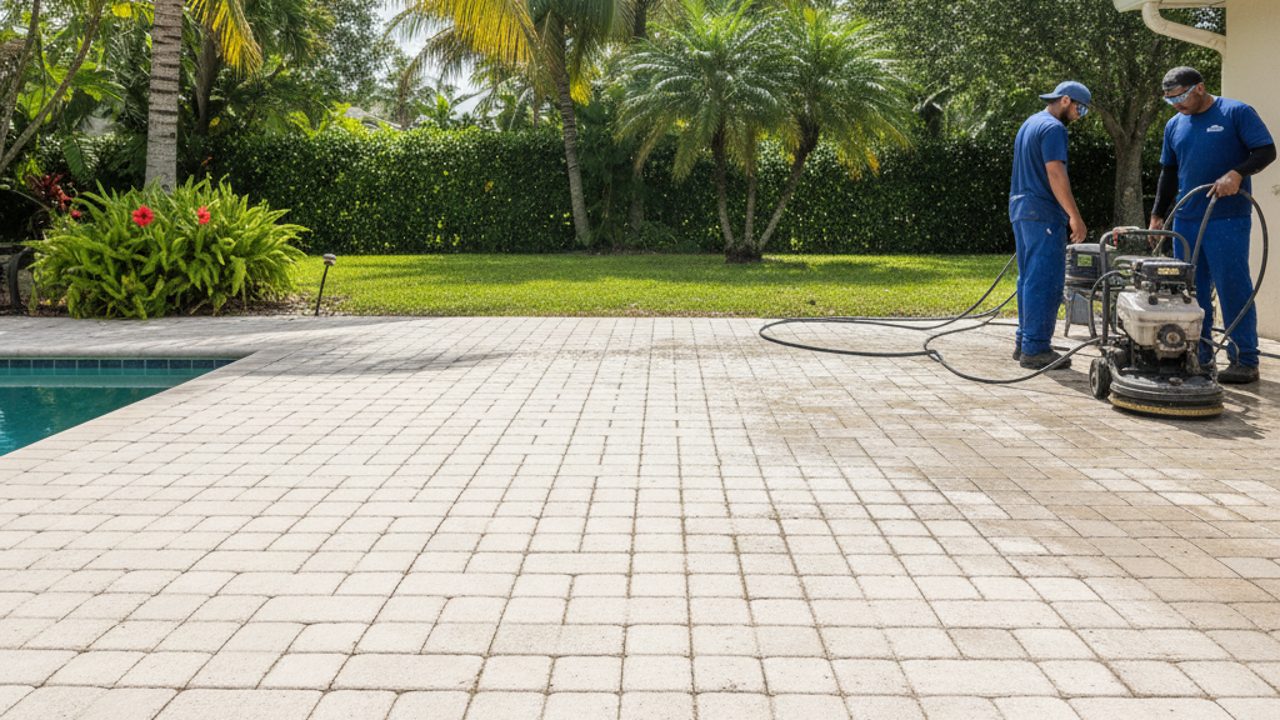
The Biological Battle for Paver Joints in Florida
In South Florida’s subtropical climate, paver joints are not merely structural gaps; they are active ecosystems. High humidity and heavy rainfall create the ideal environment for moss, algae, and hardy weed species like crabgrass and Florida Pusley to take root. Simultaneously, the sandy substrate common in coastal soils provides the perfect nesting ground for Solenopsis invicta (Red Imported Fire Ants).
When weeds germinate within the joint sand, their roots expand, exerting outward pressure that can shift pavers and compromise the structural integrity of the installation. Ants contribute to this degradation by excavating the bedding sand beneath the pavers, leading to "paver dip" or uneven surfaces that present tripping hazards. Stopping this cycle requires a technical approach that goes beyond basic surface cleaning.
Step 1: Deep Cleaning and Joint Clearance
Before any preventative measures can be applied, the existing biological material must be eradicated. A standard garden hose is insufficient for this task. At Power Washing And More, we utilize commercial-grade pressure washers capable of delivering 3,500 to 4,000 PSI, though the pressure is carefully regulated via surface cleaners to protect the paver face.
The critical step is the application of a sodium hypochlorite (SH) solution, typically ranging from a 2% to 4% mix depending on the severity of the infestation. This surfactant-aided chemical application kills the root systems of weeds and eliminates the pheromone trails left by ant colonies. Once the biological growth is neutralized, we perform a deep joint clean to remove at least 1 to 1.5 inches of old, contaminated sand, creating a clean void for the new stabilizing material.
The Role of Polymeric Sand in Joint Stabilization
Unlike standard silica sand, which easily washes away or blows out, polymeric sand contains a mixture of graded sand and binder additives (polymers). When activated by water, these polymers harden, creating a flexible but firm bond between the pavers.
For Florida installations, we recommend high-performance polymeric sands specifically formulated for high-humidity environments. This material performs three critical functions:
- Weed Deterrence: The hardened joint acts as a physical barrier that prevents wind-blown seeds from reaching the soil below.
- Ant Resistance: The solidified polymer is too dense for ants to tunnel through, forcing colonies to seek nesting sites away from your hardscape.
- Erosion Prevention: It resists washout during South Florida’s torrential downpours, maintaining the lateral stability of the paver system.
Sealing: The Final Line of Defense
Once the polymeric sand has been swept into the joints and properly hydrated to trigger the curing process, the application of a professional-grade sealer is the final technical requirement. In the South Florida market, we primarily utilize two types of sealers: solvent-based and water-based urethanes.
Sealers act as a binding agent for the top layer of sand and create a hydrophobic barrier on the paver surface. By reducing the moisture content within the joint, you effectively remove the primary catalyst for weed growth and mold. A high-solids sealer (20-30% solids content) will provide the longest-lasting protection, typically requiring reapplication every 3 to 5 years depending on UV exposure and foot traffic.
Comparing Joint Infill Materials
| Feature | Standard Silica Sand | Polymeric Sand | Resin-Based Mortar |
|---|---|---|---|
| Installation Speed | Fast | Moderate | Slow |
| Ant Resistance | Low | High | Very High |
| Weed Inhibition | None | High | Absolute |
| Flexibility | High | Moderate | Low |
| Typical Cost | $ | $$ | $$$ |
| Florida Durability | Poor (Washes out) | Excellent | Good (May crack) |
Maintenance Protocols for Long-Term Success
Homeowners and property managers should not view paver sealing as a "set it and forget it" solution. To maximize the lifespan of your polymeric sand and sealer, follow these technical maintenance guidelines:
- pH Neutral Cleaning: Avoid acidic cleaners that can break down the polymer bonds or etch the sealer. Use pH-neutral surfactants for routine cleaning.
- Prompt Debris Removal: Organic matter (leaves, grass clippings) left to rot on the surface provides a nutrient-rich medium for weeds to grow on top of the sand. Leaf blowers should be used weekly.
- Monitor for Low Spots: If you notice a localized area where sand has settled, it should be topped off and re-cured immediately to prevent a breach in the barrier.
Frequently Asked Questions
Can I just put new sand over the old weeds?
No. If you apply polymeric sand over existing weeds or ant nests, the growth will simply push through the new material as it attempts to reach the surface. The joint must be cleared of all organic matter and sterilized with a professional-grade algaecide/herbicide before re-sanding.
How long does the polymeric sand need to dry before it rains?
In the Florida climate, most commercial polymeric sands require a minimum of 24 hours of dry weather to cure properly. However, some advanced formulas are "rain-safe" in as little as 90 minutes. We monitor local radar closely to ensure a safe installation window.
Will sealing my pavers make them slippery?
Standard film-forming sealers can become slick when wet. To mitigate this, we incorporate a micronized anti-skid additive (polypropylene beads) into the final coat. This increases the coefficient of friction without altering the aesthetic finish of the pavers, ensuring safety around pool decks and walkways.