Fleet Washing Compliance and Water Reclamation in Florida
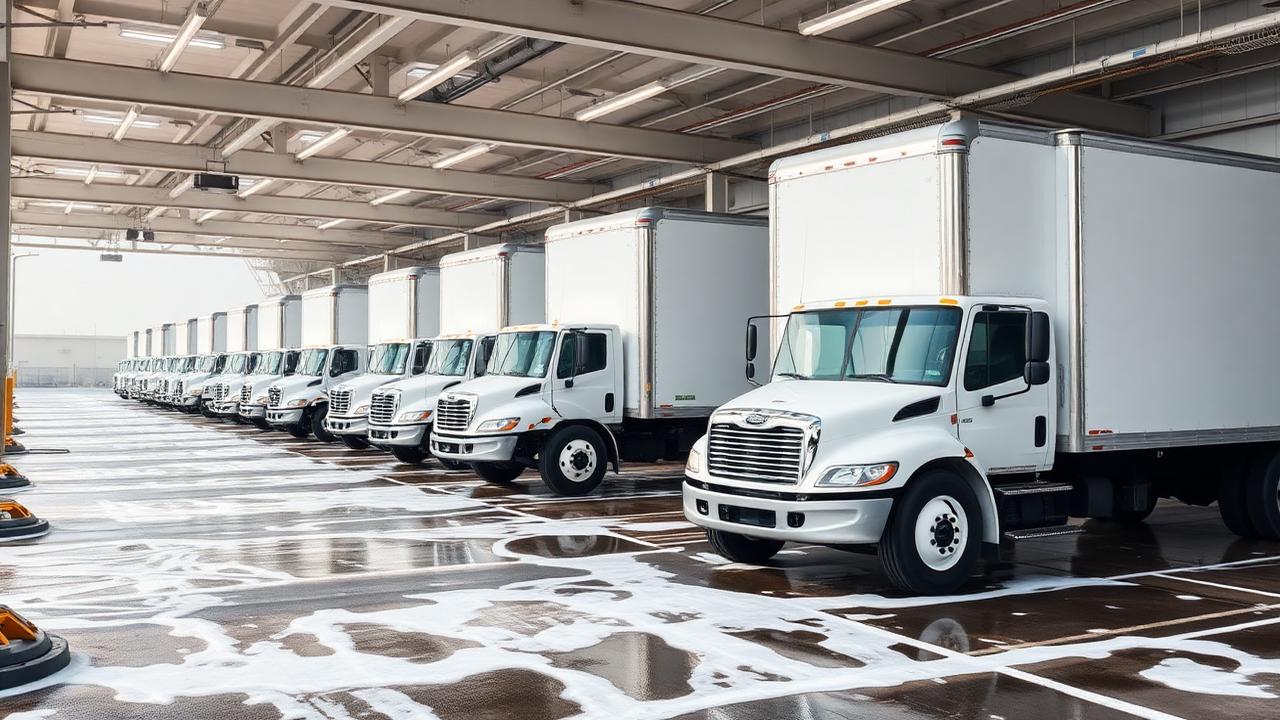
Companies operating delivery vans, box trucks, or service fleets across South Florida face a specific challenge when it comes to keeping vehicles clean: wash water containing soap, road grime, and vehicle fluids can't simply run off into a parking lot drain in many municipalities. Understanding compliance requirements and water reclamation options protects your business from fines while keeping your fleet looking professional.
Why Fleet Washing Compliance Matters
Local and county stormwater regulations across Miami-Dade, Broward, and Palm Beach counties generally restrict discharging wash water containing detergents, oils, or vehicle fluids into storm drains, which typically flow directly to waterways without treatment. Fleet operators who wash vehicles on-site without proper containment can face code enforcement issues or fines.
- Uncontained wash water can carry oil, brake dust, and detergent into storm drains
- Storm drains in South Florida generally connect to canals, rivers, or the ocean without treatment
- Property managers may prohibit uncontained washing in shared commercial lots
- Documented compliant practices protect businesses during environmental audits
What Water Reclamation Looks Like in Practice
- Portable containment berms that corral wash water around a vehicle for vacuum recovery
- Mobile reclamation units that capture, filter, and either recycle or properly dispose of wash water
- Designated wash pads with drains connected to sanitary sewer (with permission) rather than storm drains
- Biodegradable, low-phosphate detergents that reduce the environmental impact of any water that isn't fully captured
Choosing Between On-Site and Off-Site Washing
Some fleets are better served by a fixed wash bay with proper drainage, while others rely on mobile fleet washing services that bring reclamation equipment to the yard. Mobile services with portable containment are often the practical choice for companies without a dedicated wash bay, since they bring compliance equipment on every visit rather than requiring a capital investment in fixed infrastructure.
Building a Fleet Washing Schedule
Delivery and service vehicles accumulate road film, brake dust, and in coastal areas, salt residue, faster than personal vehicles due to daily highway and surface street use. Many fleet operators schedule:
- Exterior washing weekly to biweekly for customer-facing vehicles
- More frequent washing for vehicles regularly driving near the coast
- Periodic degreasing of wheel wells and undercarriages where salt and brake dust accumulate
Working With a Compliant Vendor
When evaluating fleet washing vendors, ask directly about their water reclamation equipment, where recovered water is disposed of, and whether they're familiar with your county's specific stormwater ordinances. A vendor who can answer these questions clearly is generally better positioned to keep your business compliant than one offering only a low price.
Frequently Asked Questions
Is it illegal to wash a company vehicle in a parking lot in South Florida?
Rules vary by municipality, but many counties and cities restrict discharging wash water with detergent or vehicle fluids into storm drains; using a reclamation system or designated wash pad is generally required for commercial fleet washing.
How much does mobile fleet washing with water reclamation typically cost?
Pricing depends on fleet size, vehicle type, and frequency, and is often quoted per vehicle or as a monthly contract rather than a flat rate, since reclamation equipment adds setup time compared to uncontained washing.
Can fleet washing be done at night to avoid disrupting operations?
Many fleet washing companies offer evening or early-morning service so vehicles are clean and ready before daily routes begin, minimizing downtime.
What detergents are safest for fleet washing near stormwater areas?
Biodegradable, phosphate-free detergents reduce environmental impact, though proper containment and reclamation remain the primary compliance safeguard regardless of detergent choice.
Keep your fleet clean and your business compliant with local stormwater rules. Learn more about our services, check our service areas, and contact us to set up a compliant fleet washing schedule.
Training Staff on Compliant Practices
Even when a company hires a professional fleet washing vendor, it helps for facilities or fleet managers to understand the basics of local stormwater rules so they can spot noncompliant practices, such as a vendor washing vehicles directly over an open storm drain without containment. Asking vendors for their reclamation equipment and disposal process in writing before signing a contract is a simple safeguard.
Long-Term Cost Considerations
While compliant mobile washing with reclamation equipment often costs more per visit than uncontained washing, it protects a business from potential fines, code enforcement issues, and reputational damage tied to environmental violations. Many fleet operators find the added cost worthwhile compared to the risk of a citation or a costly cleanup order.