
How Often Should You Clean Your Roof in Florida?
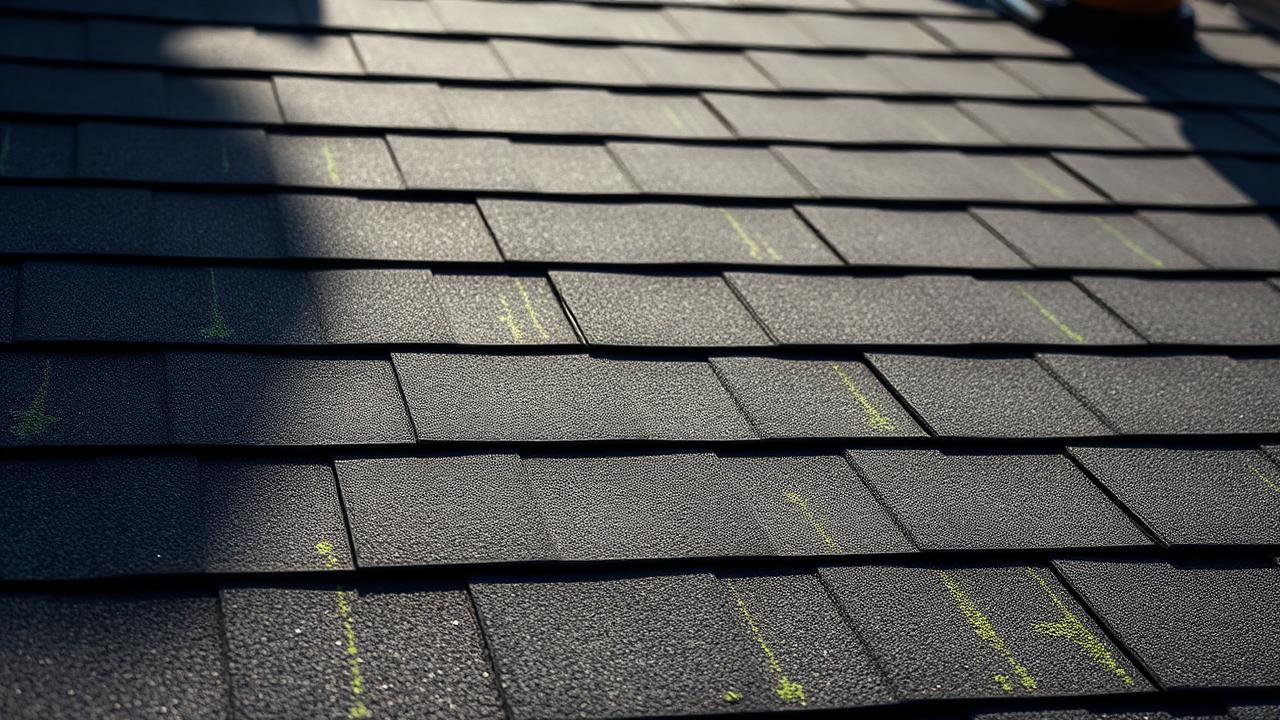
"How often should I really be doing this?" is one of the most common questions we hear on roof cleaning calls, and it's usually asked with a hint of suspicion — like the homeowner expects us to say "every six months" just to keep the business coming. The honest answer is more nuanced than a single number, because roof cleaning frequency in Florida depends heavily on your specific roof's exposure, shade, and material, not just a calendar.
That said, there are real patterns we see across thousands of South Florida roofs, and they give homeowners a reliable starting point for planning a maintenance schedule rather than waiting until streaking becomes an eyesore.
The General Rule of Thumb
For most South Florida homes, a full roof soft wash every 1 to 2 years keeps algae and mildew from establishing the kind of heavy colonization that becomes both more expensive to treat and more damaging to the roofing material over time. This isn't an arbitrary number — it roughly matches the lifecycle of gloeocapsa magma colonies from initial spore landing to visible streaking under typical Florida humidity and rainfall.
Factors That Shorten the Interval
Tree Canopy and Shade
Homes under heavy oak, banyan, or ficus canopy retain moisture on the roof surface far longer after rain than homes with full sun exposure, which accelerates algae and moss growth. These homes often need cleaning closer to the 12-month mark rather than the 24-month mark.
North-Facing Slopes
In the northern hemisphere, north-facing roof slopes receive less direct sun and stay damp longer, which is why streaking on Florida roofs is almost always heaviest on the north side. Homes with a large north-facing roof plane may need more frequent attention on that section specifically.
Coastal Salt Exposure
Homes within a few miles of the coast deal with salt air in addition to algae, and the combination can accelerate both organic growth and material wear on metal fasteners and flashing, making regular cleaning and inspection more valuable.
Factors That Extend the Interval
- Full sun exposure with minimal tree cover
- Metal roofing with algae-resistant coatings
- Recently replaced roofs with fresh, less porous surfaces
- Homes further inland with lower humidity retention
Suggested Cleaning Schedule by Roof Type
| Roof Type | Typical Interval | Notes |
|---|---|---|
| Asphalt shingle, shaded lot | 12–18 months | Algae takes hold faster on granule surface |
| Asphalt shingle, full sun | 18–24 months | Slower regrowth with more UV exposure |
| Barrel tile, shaded/coastal | 12–18 months | Valleys between tiles retain moisture |
| Barrel tile, full sun/inland | 18–24 months | Cleaner longer with less shade retention |
| Metal roofing | 24–36 months | Generally more algae-resistant |
Signs Your Roof Is Overdue Regardless of Schedule
Even with a general schedule in mind, watch for these visual cues rather than relying purely on a calendar:
- Visible dark streaking, especially fanning down from the ridge
- Green or fuzzy patches indicating moss rather than just algae
- Buildup of leaf litter or debris in tile valleys or shingle valleys
- Gutters overflowing due to debris washed down from a dirty roof
If you notice these signs before your scheduled interval is up, it's worth moving the cleaning up rather than waiting, since heavier growth takes longer and costs more to treat. Pairing this inspection with a look at your gutters makes sense too — we discuss why in our piece on scheduling gutter cleaning and roof washing together.
Building a Maintenance Routine That Actually Sticks
The homeowners who stay ahead of roof algae aren't necessarily the most vigilant — they're the ones who put cleaning on a recurring calendar reminder tied to a season, like "every spring before hurricane season" or "every fall after storm season ends." Treating roof cleaning as a routine maintenance item, similar to HVAC servicing, tends to produce better long-term results than reactive cleaning after streaking becomes obvious. Our roof cleaning service can be set up on a recurring schedule that matches your roof's specific exposure.
Frequently Asked Questions
Can I just wait until the streaking is really bad to save money?
You can, but heavier algae colonization takes longer to treat and sometimes requires stronger chemical concentrations, which can push the cost of that single cleaning higher than if you'd stayed on a regular schedule.
Does rain wash away roof algae on its own?
No. Rain can spread algae spores across the roof surface, but it doesn't kill the organism or remove existing colonies, which is why regular rainfall in Florida doesn't prevent streaking.
Should I clean my roof before or after hurricane season?
Both timings have merit — before season for curb appeal and inspection purposes, and after season to remove debris and salt residue from storms. Many homeowners choose one consistent time each year based on their own schedule.
Do new roofs need cleaning as often as older ones?
New roofs typically resist algae longer due to fresher, less porous surfaces, but they aren't immune, especially in shaded or coastal locations, so it's worth monitoring even a newer roof for early streaking.
If it's been a while since your roof was cleaned, or you're not sure where you stand in the cycle, request a free quote from Power Washing and More! and we'll take a look and recommend a realistic schedule for your home.