How to Remove Algae From Sidewalks and Stop It Coming Back
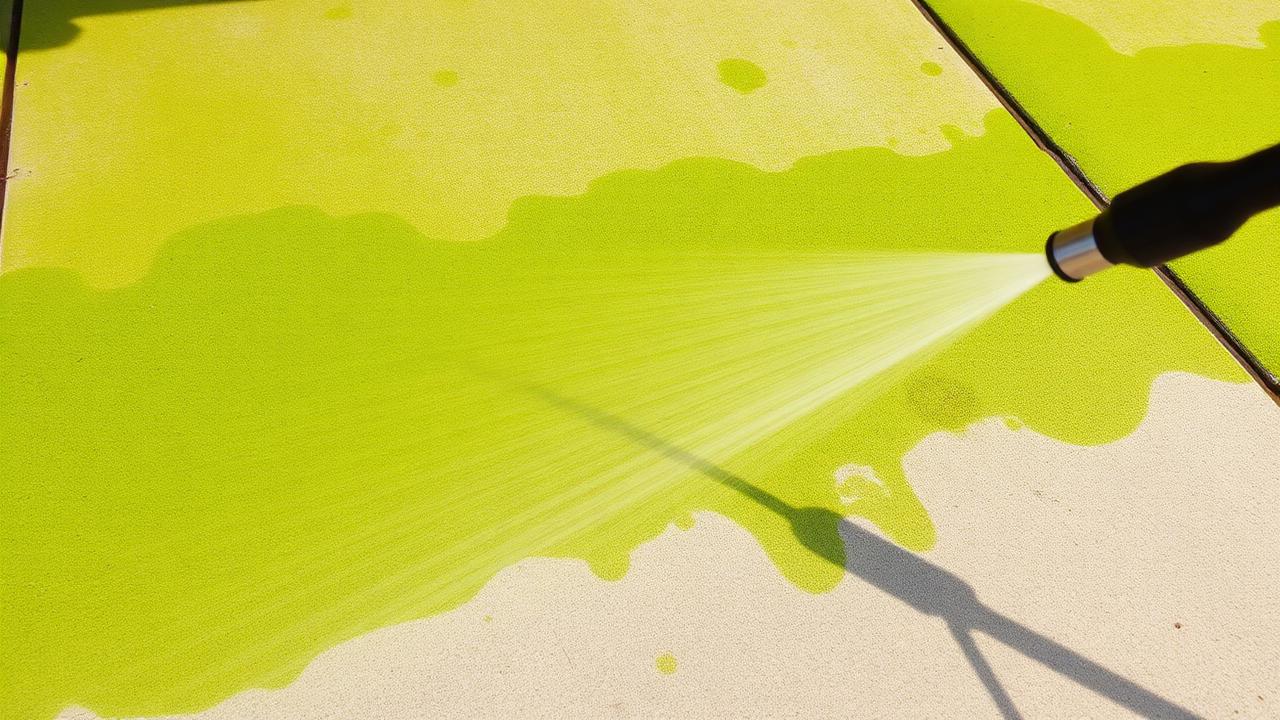
Walk out your front door in Miami, Fort Lauderdale, or West Palm Beach after a few weeks of summer rain and you'll often notice the sidewalk has taken on a greenish, slippery tint. That's algae, and in South Florida's humidity, warm temperatures, and near-daily afternoon showers, it's less a possibility than an inevitability. Algae doesn't just look bad in front of a home or business — it turns a flat concrete or paver surface into a slip-and-fall risk, which is exactly the kind of thing HOAs, property managers, and insurance adjusters take seriously. The good news is that algae is one of the more straightforward exterior cleaning problems to solve, as long as you understand what's actually growing on your concrete and why it keeps returning.
Why Algae Loves South Florida Sidewalks
Algae is a simple organism that needs three things to thrive: moisture, warmth, and a food source. South Florida checks every box:
- Humidity and rainfall keep concrete pores damp for hours or days after a storm
- Shade from trees, buildings, and privacy walls slows evaporation
- Porous, unsealed concrete and pavers give algae spores something to grip and grow into
- Irrigation overspray adds a steady, artificial water source even during dry stretches
Unlike mold or mildew, algae is photosynthetic, so it's usually most aggressive on surfaces that get filtered light — dappled shade under a canopy tree tends to be worse than a walkway in full, blazing sun.
Cleaning Methods That Actually Work
Soft Washing With Algaecide
For most sidewalks, a low-pressure application of a cleaning solution containing sodium hypochlorite or a dedicated algaecide, followed by a light rinse, will lift algae without damaging the concrete surface. This is the same soft washing principle used on roofs and siding, just adapted for a horizontal, foot-traffic surface.
Pressure Washing for Heavy Buildup
When algae has been left untreated for a long time and has combined with dirt, tannins, or mildew into a thick film, a surface cleaner attachment on a pressure washer can mechanically strip it away faster than chemicals alone. The key is controlling pressure and distance so you don't etch the concrete or blow sand out of paver joints.
Combining Both
Most professional visits use a one-two approach: apply a cleaning solution to break down the algae's grip, let it dwell for the manufacturer-recommended time, then rinse or lightly pressure wash to flush residue away. This combination gets the surface visibly clean and also kills spores below the surface that a rinse alone would miss.
Why It Keeps Coming Back
Homeowners are often frustrated that algae reappears within a few months of a cleaning. A few common reasons:
- No residual protection was applied — a rinse removes what's visible but doesn't stop new spores from settling
- Irrigation heads are aimed at the walkway instead of the landscaping
- Overhanging trees or shrubs keep the surface shaded and damp
- Untreated or unsealed concrete stays porous, giving algae an easy foothold
Preventing Algae Between Cleanings
- Adjust or redirect sprinkler heads so walkways stay dry between waterings
- Trim back vegetation that keeps concrete shaded and damp longer than necessary
- Ask about a sealer application, which fills the surface pores and makes it harder for spores to anchor
- Schedule a maintenance cleaning on a seasonal basis rather than waiting until algae is thick and visibly green
What This Means for HOAs and Commercial Properties
For HOAs and property managers, algae-covered walkways are a recurring liability item. A resident who slips on a green sidewalk has a real claim, and insurance carriers increasingly ask for documentation of routine maintenance. Building a sidewalk and common-area cleaning schedule into your annual budget is far cheaper than a lawsuit, and it also just keeps the community looking well cared for, which matters for resale values and curb appeal.
Frequently Asked Questions
How often should sidewalks be cleaned to prevent algae in Florida?
Most South Florida properties benefit from a cleaning every four to six months, though shaded, low-traffic walkways near sprinklers may need attention more often. Sunny, well-drained areas can often go longer between cleanings.
Will pressure washing alone get rid of algae for good?
Pressure washing removes visible algae but doesn't kill the spores that remain in the concrete's pores. Pairing it with an appropriate cleaning solution and, ideally, a sealer gives longer-lasting results than pressure alone.
Is it safe to use bleach-based cleaners near landscaping?
Diluted, properly applied solutions are standard in the industry, but concentration and rinse technique matter to protect grass and plants. Professionals pre-wet vegetation and use controlled application rates to minimize any impact.
Can algae damage concrete or pavers over time?
Algae itself doesn't structurally damage concrete, but the moisture it thrives in can contribute to surface staining and accelerate wear on paver joint sand. Left unaddressed, it also makes surfaces measurably more slippery and hazardous.
Sidewalks vs. Pool Decks vs. Driveways
Not all algae-prone surfaces are treated the same. Pool decks see more consistent moisture from splash-out and are often textured for slip resistance, which gives algae extra surface area to grip. Driveways deal with tire residue and oil in addition to algae. Sidewalks, especially shaded ones, tend to be the most consistently damp and are usually the first place homeowners notice green buildup after a rainy stretch.
Green, slippery sidewalks don't have to be a recurring headache. If your walkways, driveway, or common areas in South Florida are showing algae growth, reach out to us for a cleaning plan that fits your property and keeps things safe between visits.