Metal Roof Cleaning in Florida: Protecting Kynar and Galvalume Finishes
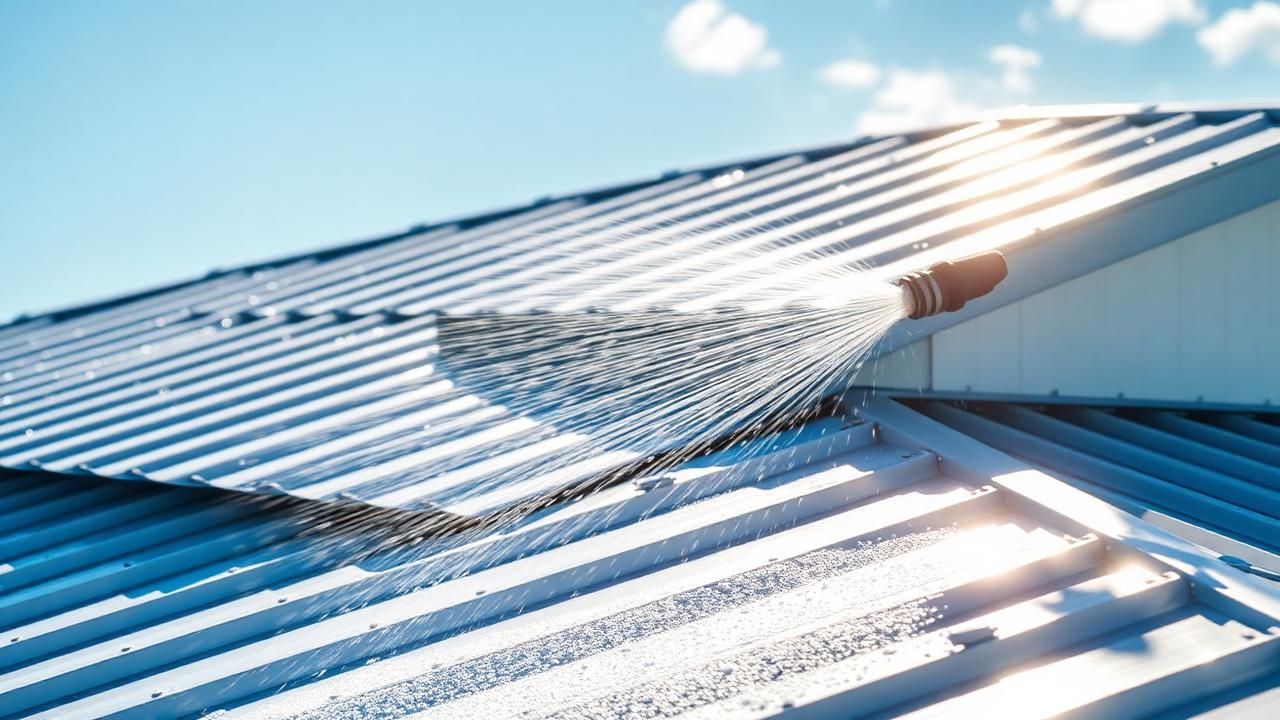
Metal roofing has become increasingly popular across South Florida over the past decade, and for good reason — it holds up well against hurricane-force winds, reflects heat effectively, and generally outlasts shingle and even tile in raw material lifespan. But "low maintenance" doesn't mean "no maintenance," and metal roofs in our coastal, humid climate face a specific set of challenges that differ meaningfully from tile or shingle.
Whether your roof has a Kynar (PVDF) coated standing seam panel or a Galvalume finish, understanding what's actually happening to that surface over time — and how to clean it without damaging the coating — matters more than most homeowners realize when they first switch to metal.
Why Metal Roofs Still Need Cleaning
Metal roofs resist algae better than porous materials like shingle or tile because there's less surface texture for spores to latch onto, but they aren't immune, especially in shaded areas or where debris accumulates in valleys and around vents. More commonly, metal roofs in South Florida deal with:
- Salt air residue that builds up on coastal-facing homes and can dull the finish over time
- Chalking — a natural UV-related breakdown of painted coatings that leaves a powdery residue
- Water spotting and mineral deposits from sprinkler overspray or hard water runoff
- Organic staining from tree sap, pollen, and airborne debris
Kynar vs. Galvalume: Different Coatings, Different Care
Kynar (PVDF) Coated Panels
Kynar finishes are a high-performance paint system known for excellent color retention and chalk resistance compared to standard paint coatings. They can still accumulate salt film and organic staining over time, but they generally tolerate gentle cleaning well since the coating is engineered for long-term UV and weather exposure. The main risk is abrasive cleaning methods or overly harsh chemicals that can dull the coating's finish over repeated improper cleanings.
Galvalume (Unpainted Metallic Coating)
Galvalume is a bare metallic coating (aluminum-zinc alloy) rather than a painted finish, and it develops a natural patina over time as part of its protective process. Cleaning Galvalume requires extra care to avoid disrupting that patina layer, since aggressive scrubbing or overly acidic cleaners can interfere with the metal's natural self-protective oxidation.
The Case Against High Pressure on Metal Roofs
It might seem like metal, being more rigid than tile or shingle, could handle higher pressure — but that assumption causes real damage. High-pressure spray can:
- Strip or dull painted Kynar finishes over time
- Force water under panel seams and fasteners, leading to leaks
- Disrupt the Galvalume oxide layer, accelerating corrosion in exposed spots
- Damage sealants and gaskets around penetrations, screws, and flashing
Soft washing with the correct low-pH cleaning solution and low-pressure rinse is the appropriate method for metal roofing, just as it is for tile and shingle, though the chemical formulation differs slightly to suit the metal surface.
Cleaning Frequency for Metal Roofs
| Condition | Recommended Interval |
|---|---|
| Full sun, inland location | Every 2–3 years |
| Coastal, salt-exposed | Every 1–2 years |
| Heavy tree cover or shaded valleys | Every 1–2 years |
| Visible chalking or staining | As needed, evaluate on inspection |
Metal roofs generally need cleaning less often than tile or shingle, but coastal salt exposure can shorten that interval meaningfully, which is worth factoring in in for homes near the Intracoastal or directly on the coast.
Protecting Fasteners and Seams During Cleaning
Beyond the panel surface itself, metal roof longevity depends heavily on the condition of exposed fasteners, seams, and flashing. A proper cleaning should include a visual check of these areas for early signs of rust streaking or sealant failure, since catching these early is far cheaper than addressing a leak after water intrusion has already caused interior damage.
Frequently Asked Questions
Will cleaning my metal roof fade the color?
Correctly done soft washing with appropriate chemicals shouldn't fade or damage a Kynar-coated finish; the coating is designed to withstand UV and weather exposure, and gentle cleaning simply removes surface contaminants sitting on top of it.
Is chalking on my metal roof a sign it needs replacement?
Not necessarily. Chalking is a natural aging characteristic of many painted coatings and can often be reduced with proper cleaning, though heavy, long-term chalking may indicate the coating is nearing the end of its effective life.
Can salt air damage my metal roof even if it looks clean?
Yes, salt residue can be present even without visible staining, and over years it can contribute to accelerated wear on fasteners and exposed metal edges, which is why periodic cleaning matters even on a roof that "looks fine."
Do metal roofs need gutter cleaning as often as tile roofs?
Metal roofs shed debris more efficiently than tile in many cases, but gutters still collect windblown debris and should be checked regularly regardless of roof material.
If your metal roof is showing salt film, chalking, or staining, request a free quote from Power Washing and More! and we'll recommend the right cleaning approach for your specific coating.