8 Pressure Washing Mistakes That Cause Expensive Damage
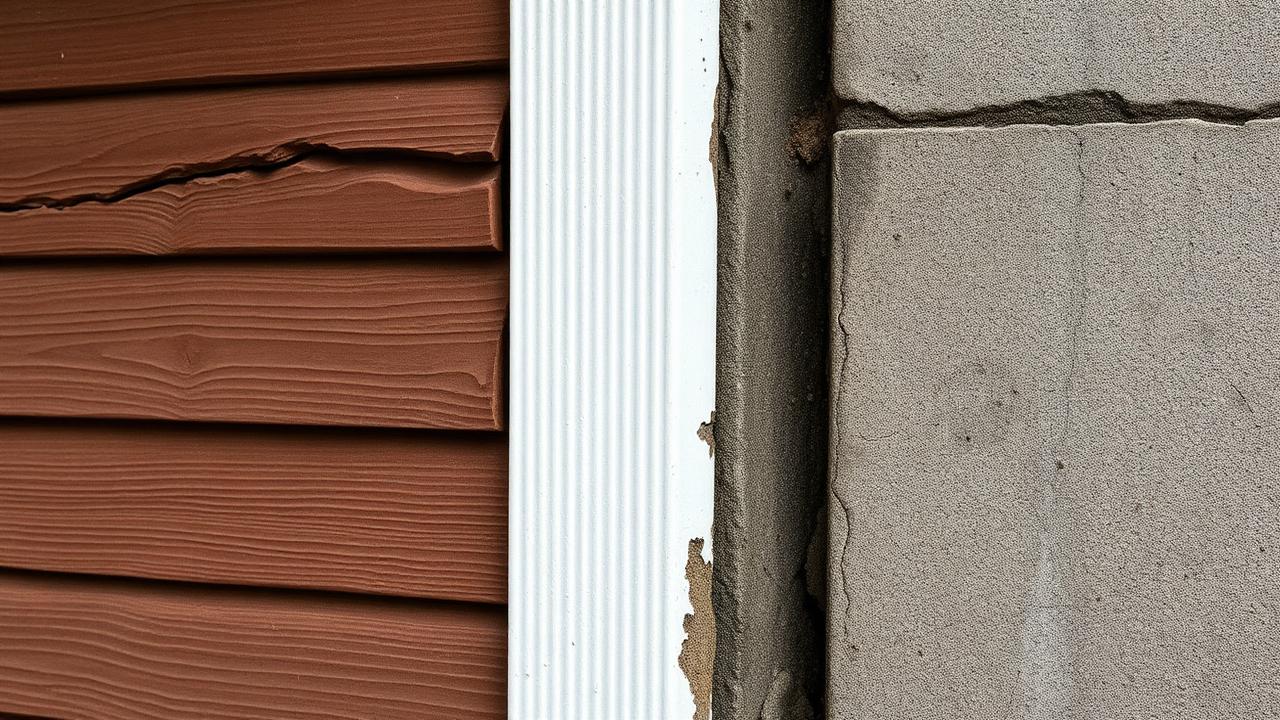
Pressure washing has a reputation as a simple, satisfying DIY weekend project, and for small, forgiving surfaces, it often is. But the same equipment that makes quick work of a dirty patio can also cause damage that costs far more to repair than the cleaning job was ever worth. Most of these mistakes come down to using the wrong pressure, angle, or chemical for the surface in question.
Here are eight of the most common — and most expensive — mistakes we see, along with what to do instead.
1. Using High Pressure on a Roof
This is the single most damaging mistake homeowners and even some inexperienced contractors make. High-pressure blasting on asphalt shingles strips the protective granules that shield the shingle from UV damage, permanently shortening the roof's lifespan. On tile roofs, high pressure can crack tiles or force water under them. Roofs should always be cleaned using soft washing — low pressure combined with a cleaning solution that kills algae and moss without mechanical force. Our roof cleaning service is built entirely around this method.
2. Holding the Wand Too Close to the Surface
Distance matters as much as pressure setting. Holding a wand just a few inches from wood, stucco, or vinyl siding concentrates force into a small area, which can gouge wood, crack stucco, or cave in siding panels. A general rule is to start further back (12+ inches) and move closer gradually only if needed, testing on an inconspicuous area first.
3. Spraying Water Upward Under Siding
Angling the spray upward, especially with vinyl or lap siding, forces water behind the panels rather than off the surface. This trapped moisture leads to mold growth inside walls that can go undetected for weeks or months, ultimately costing far more to remediate than the original cleaning job.
4. Using the Wrong Nozzle Tip
Pressure washer nozzles are color-coded by spray angle, from a narrow 0-degree "pinpoint" tip to a wide 40-degree fan tip. Using a narrow tip on a broad surface concentrates pressure dangerously; using a 0-degree tip on wood or a car surface can gouge material almost instantly. Matching the tip to the surface is as important as the PSI setting itself.
5. Skipping a Test Spot
Every surface has different tolerances depending on age, prior treatments, and material condition. Skipping a small test spot in an inconspicuous area before committing to full coverage means you find out the pressure was too high only after damage is already visible across the whole surface.
6. Mixing Chemicals Incorrectly
Concentrated cleaning chemicals, particularly sodium hypochlorite-based solutions, need precise dilution. Too strong a mix can bleach or discolor surfaces, kill landscaping, and even damage metal fixtures through corrosion. Too weak a mix wastes time and doesn't address algae roots, leading to fast regrowth.
7. Pressure Washing Painted Surfaces at High PSI
Painted wood, stucco, and previously coated surfaces are vulnerable to paint stripping under high pressure, which then requires a full repaint rather than just a cleaning. Soft washing at low pressure removes dirt and mildew without disturbing intact paint.
8. Ignoring Electrical Fixtures and Outlets
Outdoor outlets, light fixtures, and electrical panels near the work area need to be covered or avoided entirely. Direct spray into an uncovered outlet creates both an electrocution risk and potential for fixture damage.
Comparing Mistake Severity and Typical Cost Impact
| Mistake | Typical Consequence | Relative Repair Cost |
|---|---|---|
| High pressure on roof | Stripped granules, cracked tiles | High — potential roof replacement |
| Water forced under siding | Hidden mold, wall damage | High — remediation and repair |
| Wrong nozzle on wood | Gouging, splintering | Moderate — board replacement |
| Chemical too concentrated | Discoloration, dead landscaping | Moderate — replanting, refinishing |
| Skipped test spot | Damage discovered too late | Varies — depends on surface |
| Paint stripping | Requires repainting | Moderate to high |
The Common Thread
Nearly every mistake on this list comes back to the same root cause: applying uniform pressure and technique across surfaces that actually require different approaches. A trained technician adjusts PSI, nozzle, chemical concentration, and distance based on the specific material in front of them rather than running one setting for the entire property.
Frequently Asked Questions
Can stripped roof granules be fixed after high-pressure damage?
No — once granules are stripped from asphalt shingles, that section of roof is permanently more vulnerable to UV damage and leaks. It typically shortens the roof's remaining lifespan rather than something that can be restored by re-cleaning.
How do I know if my siding already has water damage from a previous pressure washing job?
Signs include bubbling paint, soft or discolored drywall on interior walls near the exterior, a musty smell, or visible mold near baseboards. If you suspect this, it's worth having the area inspected before further exterior work is done.
Is it safe to pressure wash near outdoor electrical outlets myself?
It's best to cover or avoid outlets and fixtures entirely rather than spraying near them directly, regardless of whether you're doing the work yourself or hiring a contractor.
What's the safest PSI range for a first-time DIY project?
Starting under 1,500 PSI on most general surfaces and testing a small spot before increasing pressure is a reasonable, cautious approach for anyone unfamiliar with how a specific surface responds.
If you'd rather avoid the guesswork and risk altogether, request a free quote from Power Washing and More! and we'll assess the right pressure and method for every surface on your property.