
Pressure Washing Wood Decks and Docks in Saltwater Florida
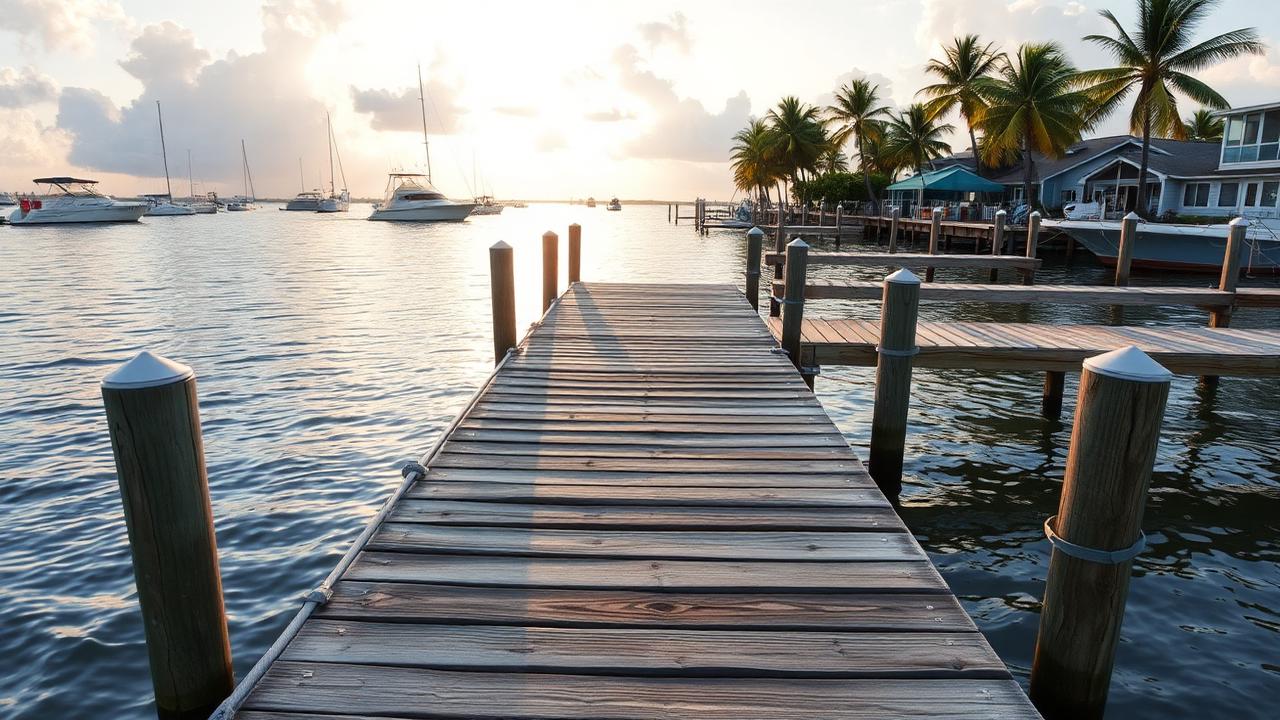
If you own a waterfront property anywhere from Fort Lauderdale to Boca Raton or the Keys, your dock and deck take a beating that inland homes never see. Saltwater spray, near-constant humidity, intense UV exposure, and the organic growth that comes with being near brackish or ocean water all combine to turn a bright wood deck gray, slick, and splintery faster than most owners expect. Pressure washing is one of the most effective ways to bring that wood back to life, but wood decking and dock boards are also some of the easiest surfaces to damage if the job is rushed or done with the wrong equipment.
Why Waterfront Wood Ages So Fast in South Florida
Wood is a porous, organic material, and every factor that makes South Florida beautiful also makes it hard on decking:
- Salt spray dries on the surface and draws moisture out of the wood fibers, contributing to graying and cracking
- High humidity keeps boards damp long after a storm, feeding mold, mildew, and algae growth
- Intense sun exposure breaks down the wood's natural oils and any old sealant, leaving the surface gray and rough
- Foot traffic and salt residue create a fine grit that acts almost like sandpaper, wearing down the surface over time
The result is a deck or dock that looks dull, feels slippery when wet, and can develop splinters as the top wood fibers dry out and lift.
Why Pressure Alone Isn't the Right Approach
A lot of DIY dock cleaning goes wrong because people assume more pressure equals a cleaner result. Wood is much softer than concrete or most siding materials, and a pressure washer set too high, held too close, or run with the wrong nozzle will:
- Gouge and "feather" the wood grain, creating a rough, splintery surface
- Strip away good wood fiber along with the dirt and algae
- Leave uneven "zebra stripe" patterns from inconsistent passes
- Loosen fasteners or joints on older dock structures
The right approach uses lower pressure, wider fan-tip nozzles, consistent distance from the surface, and — often — a cleaning solution that does most of the work chemically before pressure is even applied. This is the same philosophy behind soft washing versus pressure washing: match the method to the material, not the other way around.
The Typical Cleaning Process
1. Pre-Treatment
A cleaning solution formulated for algae, mildew, and salt residue is applied first, allowed to dwell, and often lightly agitated in heavily soiled areas.
2. Controlled Rinse
Low to moderate pressure with a wide-fan nozzle lifts the loosened grime and organic growth without tearing into the wood grain. Boards are worked with the grain, not across it.
3. Drying and Inspection
Once rinsed, the deck or dock is inspected for loose boards, popped nails, or soft spots that cleaning may reveal — issues that were previously hidden under dirt and algae.
4. Optional Sealing
Many owners choose to apply a water-repellent sealant or stain after cleaning, which slows the return of graying and mildew and gives the wood some protection against salt and UV exposure.
Composite and Pressure-Treated Decking
Not every waterfront property has natural wood. Composite decking and pressure-treated lumber both benefit from similar low-pressure cleaning, though composite materials are generally more forgiving of pressure while still needing gentler treatment than concrete. Regardless of material, matching pressure and chemical selection to the specific product is what prevents surface damage.
How Often Does a Deck or Dock Need Cleaning?
Because of the salt and humidity factor, most waterfront wood surfaces in South Florida benefit from cleaning twice a year. Docks that sit low over brackish water, or decks shaded by mangroves and overhanging trees, may need more frequent attention due to constant moisture and organic buildup.
Frequently Asked Questions
Can pressure washing damage my dock or deck?
Yes, if the pressure is too high or the nozzle held too close, especially on soft or aged wood. That's why professionals use lower-pressure, wider-fan techniques combined with cleaning solutions rather than relying on brute force.
How often should waterfront decks be cleaned in Florida?
Most saltwater-adjacent decks and docks do well with cleaning twice a year, though heavily shaded or low-lying structures near brackish water may need more frequent care.
Should I seal my deck after it's cleaned?
Sealing isn't mandatory, but it does slow the return of graying, mildew, and salt residue, extending the time between deep cleanings and helping protect the wood's structural integrity.
Is composite decking cleaned differently than real wood?
Composite is more resistant to pressure than natural wood, but it still benefits from lower-pressure cleaning and the right chemical approach to avoid streaking or surface wear over time.
Hardware and Fasteners Matter Too
Cleaning isn't just about the boards themselves. Nail heads, screws, and metal brackets on a dock or deck corrode faster in a saltwater environment, and rust stains from corroding hardware can bleed into the surrounding wood, creating dark streaks that look like dirt but are actually oxidation. A thorough cleaning should note any hardware that's beginning to rust so it can be addressed before it stains the wood further or compromises the structure.
Your dock and deck are meant to be enjoyed, not dreaded because of algae and salt buildup. If you're ready for a cleaning that restores the wood without damaging it, contact us to schedule a visit — we work with waterfront properties throughout our service areas every week.