
Removing Rust Stains From Concrete in Florida (Irrigation, Rebar, Fertilizer)
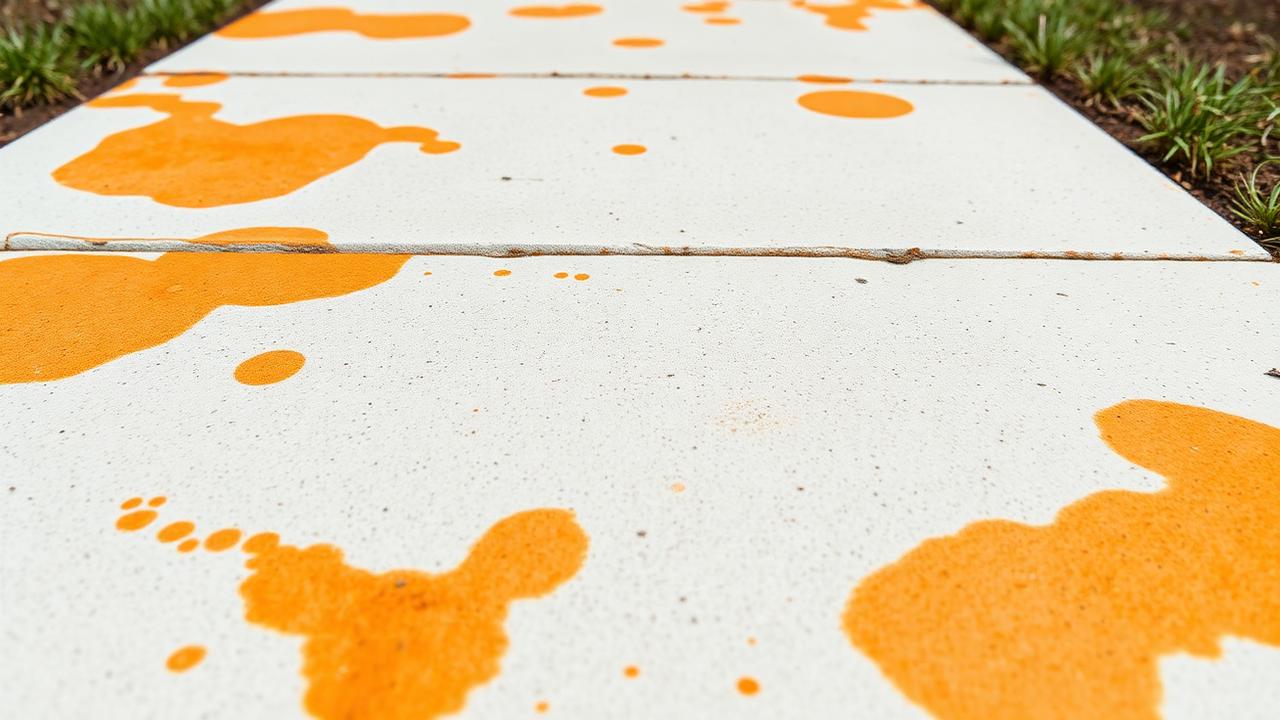
Rust stains on concrete are one of the most common complaints South Florida homeowners bring to exterior cleaning professionals, and it's easy to see why. Our irrigation-dependent landscaping, high water table, and iron-rich fertilizers create the perfect combination of conditions for orange and brown stains to appear on driveways, walkways, and pool decks, sometimes seemingly overnight.
Unlike algae or dirt, rust stains are a chemical reaction rather than a surface layer, which means they require a different cleaning approach entirely. Standard pressure washing alone often barely dents a rust stain, leading frustrated homeowners to try increasingly aggressive scrubbing that can damage the concrete's surface without actually removing the stain underneath.
This guide explains the three most common sources of rust stains in Florida, why generic cleaners often fail against them, and what actually works.
Source One: Irrigation System Iron Content
Much of South Florida's groundwater, particularly from private wells, carries a naturally high iron content. Every time a sprinkler head sprays that water onto a driveway or walkway, it deposits a small amount of dissolved iron onto the concrete surface. Over months and years, those tiny deposits accumulate into the distinctive orange staining pattern that traces the exact shape of the sprinkler's spray pattern.
This is one of the most preventable types of rust staining since redirecting or adjusting sprinkler heads away from hardscape surfaces stops new staining from forming, even if past stains still need to be treated.
Source Two: Exposed or Corroding Rebar
Rebar-reinforced concrete slabs, common in driveways, patios, and pool decks, can develop rust stains when the rebar sits too close to the surface or when cracks allow moisture to reach the metal underneath. Once rebar starts corroding, it expands, which can eventually crack the surrounding concrete further and worsen the staining over time.
This type of staining often appears as a spot or streak that seems to be spreading from a crack or a specific point rather than following an even, patterned distribution like irrigation staining does.
Why Rebar Stains Need Special Attention
Because the rust source is inside the slab rather than sitting on top of it, simply cleaning the surface won't stop the stain from reappearing. In more serious cases, addressing the underlying moisture intrusion or crack may be necessary alongside the surface cleaning.
Source Three: Fertilizer and Lawn Products
Many lawn fertilizers used throughout Florida contain iron as a nutrient additive to keep grass green in our sandy soil. When fertilizer granules land on a driveway or sidewalk edge and get wet, either from rain or sprinklers, they can leave small, round rust-colored spots exactly where they landed.
| Rust Source | Typical Pattern | Prevention Tip |
|---|---|---|
| Irrigation water | Fan-shaped spray pattern | Redirect or adjust sprinkler heads |
| Rebar corrosion | Spot near cracks, spreading | Seal cracks, monitor slab condition |
| Fertilizer granules | Small round scattered spots | Sweep spilled granules before watering |
| Metal furniture/decor | Ring-shaped under object contact points | Use protective pads under metal items |
Why Standard Cleaners Often Fail
General-purpose concrete cleaners are designed to lift dirt, algae, and organic grime, none of which respond the same way rust does. Rust requires a cleaner formulated with a chelating or acidic agent capable of chemically converting the iron oxide back into a soluble form that can then be rinsed away.
Using the wrong product, or leaving the right product on too long, can also damage the concrete's surface, so professional-grade rust removers are typically applied with careful attention to dwell time and dilution based on stain severity.
The Professional Removal Process
A rust removal treatment generally starts with a pre-rinse of the affected concrete area, followed by application of a rust-specific cleaning agent that's given time to react with the stain. Depending on how deep and old the staining is, this step may need to be repeated before a final pressure rinse fully lifts the discoloration.
For driveways with widespread staining from years of irrigation exposure, a full pressure washing treatment across the entire surface afterward ensures the cleaned areas blend evenly with the rest of the concrete rather than leaving visibly cleaner patches.
Frequently Asked Questions
Will rust stains come back after cleaning?
If the underlying source isn't addressed, such as an uncorrected sprinkler angle, rust stains can reappear. Adjusting irrigation and monitoring rebar-related cracks helps prevent recurrence.
Can I remove rust stains myself?
Small, fresh stains can sometimes be improved with consumer rust removers, but older, set-in stains typically need professional-grade treatment and proper technique to avoid damaging the concrete.
Does sealing concrete prevent rust stains?
Sealing can reduce how deeply rust-causing minerals penetrate the surface, making future cleaning easier, though it won't stop staining entirely if the water source remains untreated.
How long does rust removal take?
Most residential rust removal jobs can be completed in a few hours, though heavily stained or large areas may require a full day depending on the number of treatment passes needed.
When Rust Removal Requires Multiple Passes
Deep-set rust stains, especially from rebar bleed-through or a rusted patio furniture leg left in place for years, often don't lift completely on the first treatment. It's common for a rust-specific cleaner to be reapplied a second time after the concrete dries, since the chemical reaction that lifts iron oxide out of the pores works gradually. Property owners should expect some stains to fade significantly but not disappear entirely in a single visit, particularly on older, more porous concrete.
Protecting Against Future Rust
- Use plastic or rubber furniture feet instead of bare metal
- Have irrigation heads inspected for mineral-heavy well water that leaves rust deposits
- Ask about a concrete sealer once stains are removed, which limits how deeply future rust can penetrate
If rust stains are marring your driveway, walkway, or pool deck, Power Washing and More! offers targeted rust removal alongside full concrete cleaning services throughout South Florida. Visit our services page to learn more or request a free quote today.