
Soft Washing Vinyl and Fiber Cement Siding in Florida Without Damage
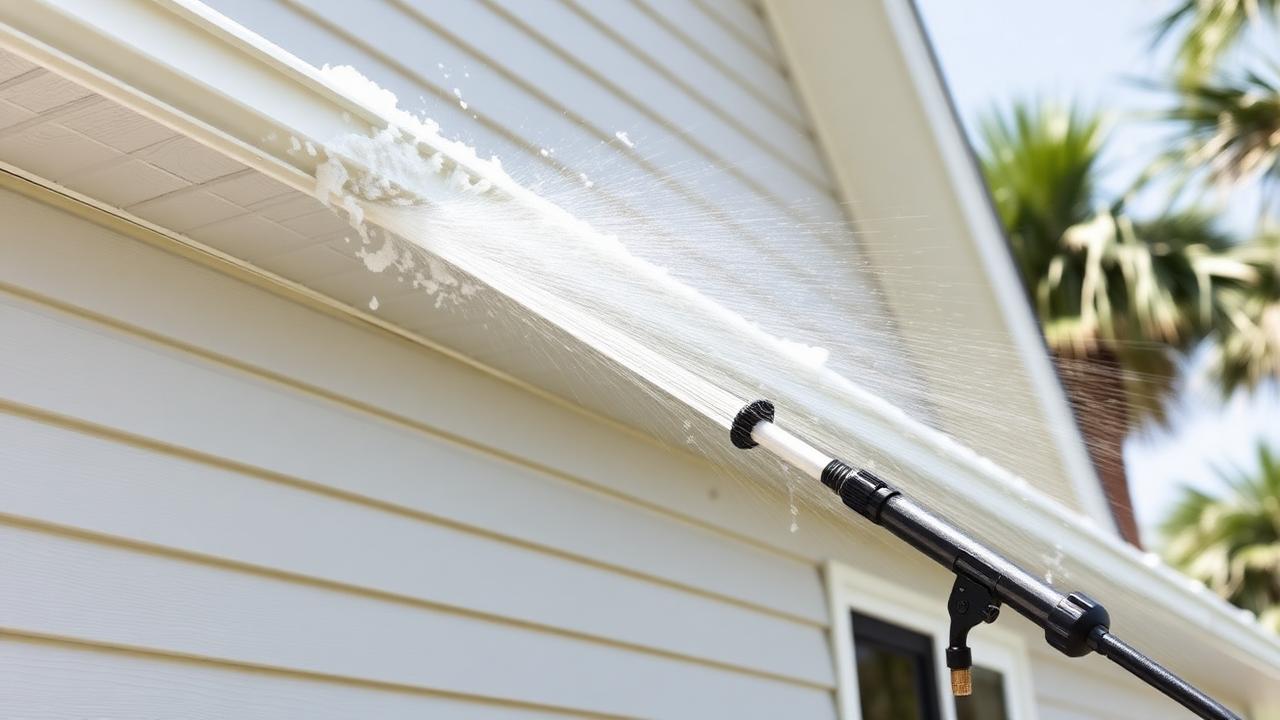
South Florida's combination of year-round humidity, frequent rain, and heavy shade from mature landscaping creates the perfect breeding ground for mildew, algae, and mold on exterior siding. If you've noticed greenish-black streaks creeping across your vinyl or fiber cement panels, you're looking at biological growth that thrives in our climate, not just ordinary dirt. The good news is that it can be removed safely, but only if the right method is used.
Many homeowners assume a pressure washer set to maximum power is the fastest fix, but vinyl and fiber cement siding are not designed to withstand direct high-pressure water blasts. Cracked panels, forced water intrusion behind the siding, and stripped paint are common results of DIY pressure washing gone wrong. That's why professional exterior cleaners rely on soft washing, a low-pressure method that uses specialized cleaning solutions to kill growth at the root instead of just blasting it off the surface.
This guide explains how soft washing works on Florida siding, what makes our climate uniquely challenging, and how to keep your home's exterior looking freshly cleaned for months after the job is done.
Why Vinyl and Fiber Cement Behave Differently Under Pressure
Vinyl siding panels overlap and lock together with a design that allows some flex for thermal expansion in our hot climate. High-pressure water finds those seams quickly, driving moisture behind the panels where it can sit against sheathing and insulation, leading to hidden mold growth that never gets seen until a renovation years later.
Fiber cement siding, popular in newer South Florida developments for its hurricane resistance, has a painted or textured finish that can be etched or dulled by aggressive pressure washing. Once that factory finish is compromised, the material becomes more porous and more likely to reabsorb algae spores faster the second time around.
Soft washing avoids both problems. Low-pressure rinsing paired with a biodegradable, algaecide-based solution breaks down organic growth chemically rather than mechanically, so there's no risk of forcing water past seams or damaging the surface texture.
What's Actually Growing on Your Siding
The dark streaking most South Florida homeowners see is typically Gloeocapsa magna, a type of algae that feeds on the limestone filler used in vinyl and fiber cement products. It spreads fastest in shaded, north-facing walls and anywhere sprinkler overspray keeps the surface damp.
| Growth Type | Appearance | Common Location |
|---|---|---|
| Gloeocapsa magna algae | Black/green streaking | Shaded walls, roof runoff areas |
| Mold | Fuzzy gray or black patches | Behind shrubs, low-airflow corners |
| Mildew | Thin dusty film | Areas with sprinkler overspray |
| Dirt and pollen film | Dull, uniform haze | Street-facing walls, ground level |
Why It Comes Back So Fast Here
Unlike drier climates where a cleaning might last two or three years, South Florida's humidity and rainfall mean algae spores can re-establish within twelve to eighteen months without a protective treatment. That's why many soft washing services include an optional post-treatment application that slows regrowth.
The Soft Washing Process Step by Step
A proper soft wash starts with a walkthrough to identify plants that need protecting, window seals that must be checked, and problem areas like north-facing walls or spots near irrigation heads. Landscaping gets pre-rinsed and covered where needed, since the cleaning solution, while safe for painted surfaces, can affect certain foliage if left to dwell.
The siding is then treated with a cleaning solution formulated to break down algae, mold, and mildew at the cellular level. After an appropriate dwell time, everything is rinsed at low pressure, typically under 500 psi, which is enough to remove loosened residue without stressing seams or panel edges.
Timing the Job Around Florida's Seasons
Spring, before the peak of summer humidity and ahead of hurricane season, is an ideal time for many homeowners to schedule a soft wash. Getting siding clean before storm season also makes it easier to spot any storm damage afterward, since new cracks or lifted panels show up clearly against a clean surface.
That said, soft washing can be performed nearly any time of year in South Florida as long as temperatures allow the solution to dwell properly. Avoiding days with rain forecast within a few hours of the service helps the treatment work as intended.
Protecting Your Investment Between Cleanings
Trimming back shrubs and trees that shade the siding improves airflow and slows algae regrowth significantly. Redirecting sprinkler heads so they don't spray directly onto walls also removes one of the biggest moisture sources that feeds new growth.
Homeowners in HOA communities should also check whether their association has specific guidelines on cleaning frequency or approved methods, since many South Florida HOAs now require documented periodic soft washing to maintain community standards. If you're unsure how your siding compares to other exterior surfaces, our breakdown of soft washing versus pressure washing explains which method suits different materials.
Frequently Asked Questions
Is soft washing safe for older vinyl siding?
Yes. Soft washing is actually gentler than pressure washing and is the recommended method for older, more brittle vinyl panels that could crack or lift under high-pressure water.
How long does a soft wash last in Florida?
Most homes stay visibly clean for twelve to twenty-four months, depending on shade, sprinkler placement, and proximity to the coast. Optional protective treatments can extend that window.
Will soft washing remove paint or caulk?
No. Soft washing uses low pressure specifically to avoid stripping paint, caulking, or sealants, unlike aggressive pressure washing which can damage these finishes.
Can soft washing be done on a rainy day?
Light cleanup work is possible, but for best results the treatment needs a few dry hours to dwell on the surface before rinsing, so scheduling around forecasted rain is recommended.
If your home's siding is showing streaks, stains, or that dull humid-climate haze, our team at Power Washing and More! provides professional soft washing throughout South Florida. Learn more about our full lineup of exterior cleaning services or request a free quote today to get your siding looking new again.