Graffiti Removal in South Florida: Fast, Surface-Safe Methods
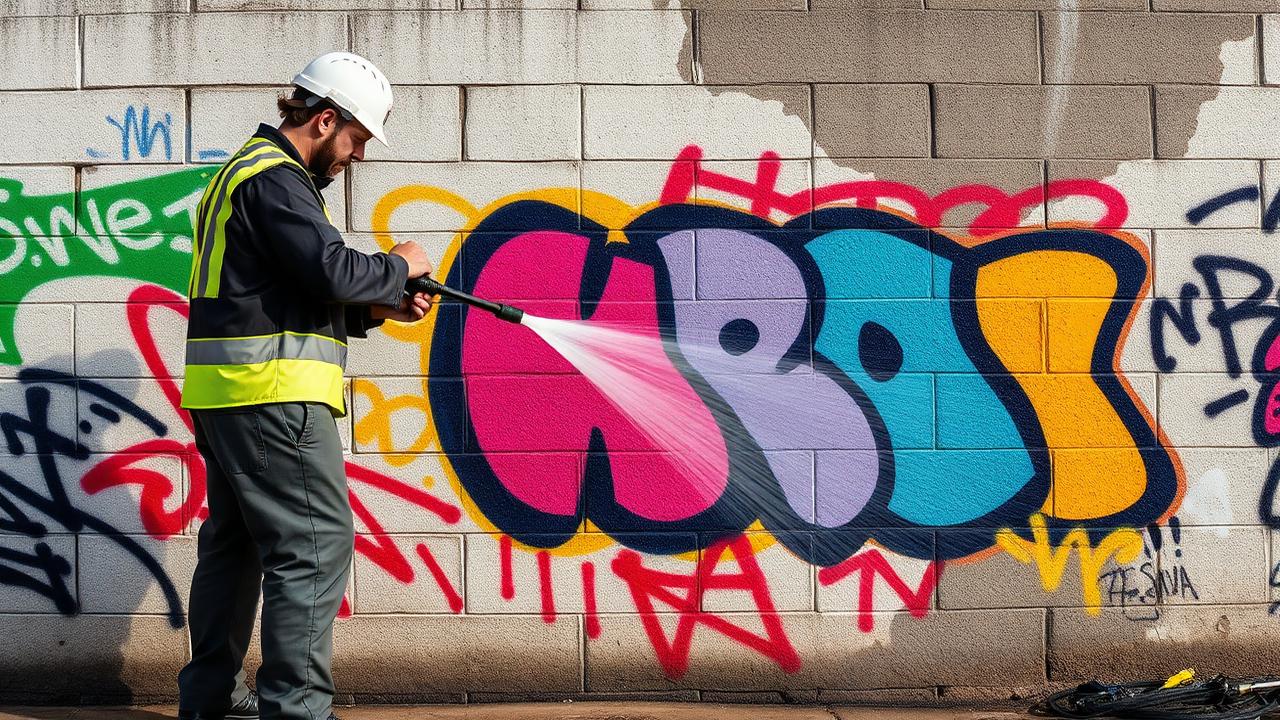
Graffiti left in place for even a few days invites more of it. Property managers across South Florida know the pattern: one tag on a wall, fence, or storefront roll-down gate tends to draw additional taggers within a week if it isn't removed, turning a single incident into a recurring problem. Fast, correct removal isn't just about appearance — it's one of the most effective deterrents against repeat vandalism that a property has direct control over.
The challenge is that "fast" and "correct" aren't automatically the same thing. South Florida commercial buildings are finished in a wide mix of surfaces — stucco, painted CMU block, raw concrete, aluminum storefront systems, glass, and metal roll-down gates — and each reacts differently to graffiti removal chemicals and pressure. Using the wrong method can set a stain permanently, strip paint or texture from stucco, or etch glass and metal in ways that cost far more to repair than the graffiti itself would have cost to simply remove correctly the first time.
Why Speed Matters More in Florida's Climate
Spray paint and marker cure faster in high heat, meaning graffiti removed within 24 to 48 hours in Florida is measurably easier to fully lift than graffiti that's had a week to cure under direct summer sun. UV exposure also bakes some paint formulations into a harder film within days, which is why property managers who treat graffiti removal as an urgent, same-week priority get better results and lower removal costs than those who fold it into a routine maintenance cycle weeks later.
Matching Method to Surface
Graffiti removal is fundamentally a surface-matching exercise. The same chemical or pressure level that clears a painted metal gate could destroy a stucco finish or etch glass.
| Surface | Risk if Treated Incorrectly | Correct Approach |
|---|---|---|
| Stucco (painted or unpainted) | Paint stripping, texture damage, permanent shadowing | Low-pressure chemical treatment matched to stucco porosity, test patch first |
| Raw/unsealed concrete or CMU block | Paint driven deeper into pores if pressure used first | Chemical paint-release agent, then controlled rinse |
| Aluminum storefront/metal gates | Coating strip, discoloration | Solvent formulated for metal, low pressure |
| Glass | Etching from abrasive pads or wrong solvent | Razor-safe scraping plus glass-safe solvent, no abrasives |
| Painted block walls (common areas, dumpster enclosures) | Repeated removal can wear through paint layers | Chemical treatment first; repainting may be more cost-effective after multiple incidents |
The Test-Patch Step Most DIY Attempts Skip
Every graffiti removal job on an unfamiliar or porous surface should start with a small test patch in an inconspicuous area, confirming the chemical won't discolor or degrade the substrate before treating the full tagged area. This single step, often skipped when a property manager attempts removal with an off-the-shelf product, is what prevents turning a graffiti incident into a permanent stain or bare patch that's more visible than the tag was.
Chemical vs. Pressure-First Approaches
A pressure-first approach — blasting the tag with high PSI before any chemical treatment — tends to drive paint pigment deeper into porous surfaces like stucco and unsealed concrete rather than lifting it out, similar to the etching risk seen in gum removal from retail sidewalks. The more reliable sequence is chemical treatment first, allowing the solvent to break down the paint's bond with the surface, followed by controlled-pressure rinsing to clear the loosened material.
When Removal Isn't Fully Possible
Some combinations of paint type, surface porosity, and time-since-application mean full removal isn't achievable without repainting. Heavily porous, unsealed stucco hit with spray paint that's cured for weeks is the most common example. In these cases, the more cost-effective path is often a light chemical treatment to lift as much as possible, followed by spot-priming and repainting the affected section rather than repeated aggressive treatments that risk damaging the surface further.
Building a Rapid-Response Plan
Commercial properties in high-visibility or high-incident areas benefit from having a standing removal plan rather than shopping for a contractor after each incident:
- A pre-established contractor relationship with agreed response time (ideally 24-48 hours)
- Photo documentation of each incident for insurance and, where relevant, police reports
- A small stock of matching paint on file for common wall colors, in case spot-repainting is needed
- Coordination with building washing service so recurring exterior maintenance visits can catch and address minor new tags before they're reported separately
Frequently Asked Questions
How quickly should graffiti be removed?
As soon as possible — ideally within 24 to 48 hours. Faster removal is both easier to achieve fully and reduces the likelihood of repeat tagging on the same surface.
Will graffiti removal chemicals damage stucco or painted walls?
They can if not matched correctly to the surface, which is why a test patch in an inconspicuous area is standard practice before treating the full tagged area.
Can graffiti be removed from glass without leaving marks?
Yes, using razor-safe scraping techniques and glass-appropriate solvents rather than abrasive pads, which can leave permanent fine scratching.
What if graffiti removal doesn't fully clear the paint?
On some heavily porous or long-cured surfaces, full removal isn't achievable without repainting. In those cases, spot-priming and repainting the affected area is usually the most practical and cost-effective solution.
Don't let graffiti sit and invite repeat vandalism — request a free quote from Power Washing and More! for fast, surface-safe removal anywhere in South Florida.