Gum Removal From Retail Sidewalks Without Etching the Concrete
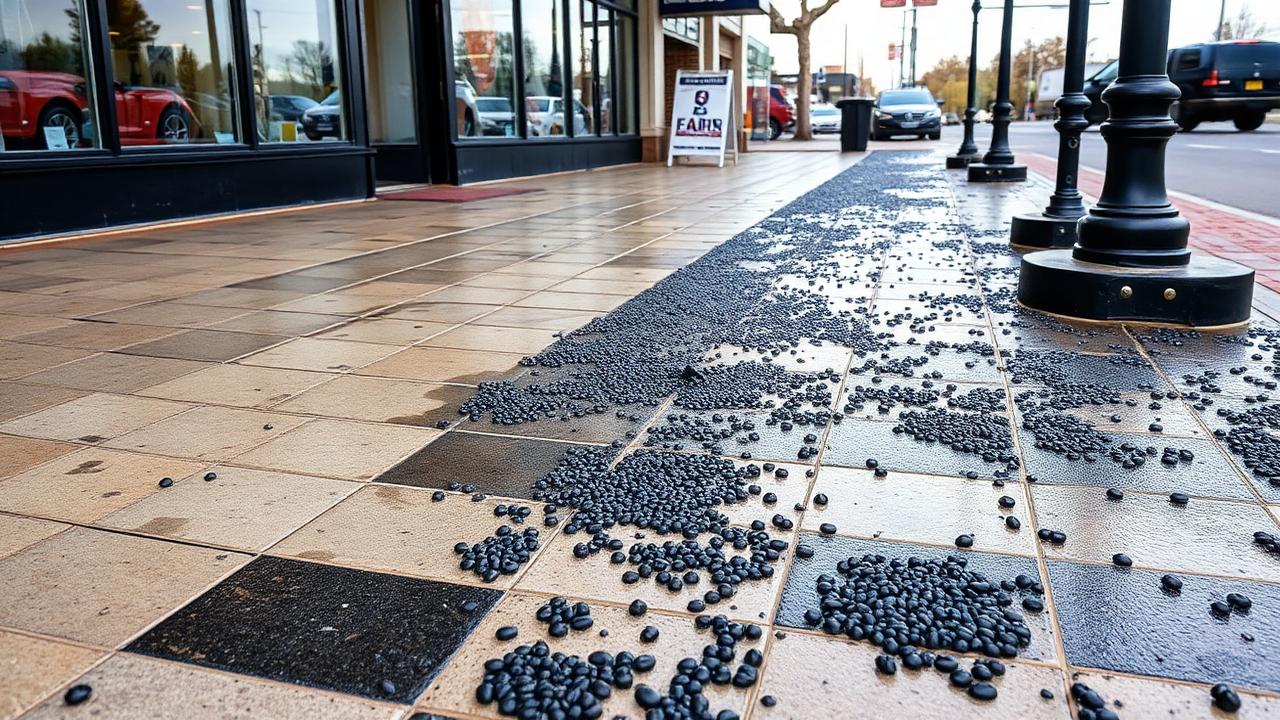
Gum spots are the small detail that quietly signals a poorly maintained retail property. Individually they seem minor, but a sidewalk pocked with dozens of dark, flattened gum spots reads as neglect to every customer who walks over it — and in Florida's heat, gum softens and re-spreads underfoot faster than in cooler climates, making the problem worse the longer it sits. Shopping centers, restaurant patios, and mall entrances are the areas we're called to most often, and the challenge is always the same: how to remove gum completely without damaging or discoloring the concrete underneath.
The mistake many maintenance crews make is reaching for whatever gets gum off fastest, which usually means high pressure at close range or aggressive scraping. Both can etch the surface of concrete, leaving a rough or lightened spot that's arguably more visible than the gum was. Gum removal done correctly is a chemistry-first process, with pressure playing a supporting role rather than the main event.
Why Gum Sticks Harder in Florida Heat
Chewing gum is formulated to soften with body heat and pressure, and Florida sidewalk surface temperatures regularly exceed 120°F in direct summer sun. That heat keeps discarded gum pliable long after it's stepped on, allowing foot traffic to flatten and spread it into the concrete's texture rather than letting it harden into a brittle, easily-chipped disc the way it might in a cooler climate. This is why gum removal on Florida retail sidewalks often needs a freezing agent step that isn't always necessary elsewhere — bringing the gum's temperature down makes it brittle enough to fracture and lift instead of smear.
The Method That Protects Concrete
Our gum removal process follows a sequence designed to avoid the etching and discoloration that comes from pressure-first approaches:
- Freeze the gum using a specialized freezing agent that makes it brittle rather than sticky
- Scrape or chip the brittle gum loose with a scraper tool, removing the bulk of the material without touching the concrete surface itself
- Apply a citrus-based or enzyme solvent to dissolve remaining residue and any staining left behind
- Light-pressure rinse at a wide fan angle to clear residue, keeping PSI well below what would etch or pit the surface
This is meaningfully different from the high-pressure, narrow-tip blasting some contractors default to, which can leave a lightened circular mark exactly where each gum spot was — trading one cosmetic problem for another.
Why High Pressure Alone Backfires
Concrete, especially the broom-finished or stamped concrete common on retail sidewalks, has a thin cream layer at the surface that gives it its finished look and color consistency. A narrow, high-pressure stream aimed directly at a gum spot can blast through that cream layer, exposing rougher aggregate underneath. The result is a visible etched circle that doesn't match the surrounding surface — often more noticeable than the original gum stain, and permanent.
| Method | Result on Gum | Result on Concrete |
|---|---|---|
| Freeze + scrape + solvent + light rinse | Full removal, including residue staining | No etching, color preserved |
| High-pressure blasting alone | Gum flattens further or partially disperses | Risk of etched circles, aggregate exposure |
| Scraping without freezing | Gum smears rather than lifts | Scraper marks possible if forced |
| Solvent alone, no freeze/scrape | Slow, often incomplete on set gum | Low risk but inefficient for heavy buildup |
Handling High-Density Gum Areas
Mall entrances, movie theater walkways, and school-adjacent retail sidewalks often accumulate gum in specific high-traffic bands rather than evenly across the surface. For these areas, we treat gum removal as its own line item rather than folding it into a general sidewalk wash, since the freeze-scrape method takes meaningfully longer per square foot than a standard pressure wash pass. Budgeting it separately also gives property managers a clearer sense of ongoing cost if gum buildup is a recurring issue in one specific zone.
Pairing Gum Removal With Broader Storefront Maintenance
Gum removal is most efficient when scheduled alongside other entrance-area maintenance, since crews and equipment are already on site. It pairs naturally with the kind of detail work covered in our piece on storefront and awning cleaning, giving retail centers a coordinated, fully refreshed entrance rather than a sidewalk that's clean next to a storefront that isn't.
Preventing Gum Buildup Between Services
While no maintenance schedule eliminates discarded gum entirely, well-placed trash receptacles near entrances and high-dwell areas (benches, bus stops adjacent to storefronts) measurably reduce buildup. Retail centers that combine this kind of prevention with a quarterly gum removal pass in known high-traffic bands generally avoid the dense, months-old buildup that takes far longer — and costs more — to remove.
Frequently Asked Questions
Does gum removal damage or discolor concrete?
Done correctly with a freeze-and-scrape method followed by a light-pressure rinse, no. High-pressure blasting without the freezing step is what causes the etching and discoloration property managers want to avoid.
How long does gum removal take on a typical retail sidewalk?
It depends heavily on gum density. Scattered spots can be handled quickly, but high-traffic entrance areas with heavy buildup take considerably longer per square foot than general sidewalk cleaning.
Can gum removal be combined with a regular sidewalk pressure wash?
Yes, and it often should be, since the light-pressure rinse step doubles as a final cleaning pass for the surrounding sidewalk area.
How often does a retail sidewalk need gum removal?
High-traffic entrances often benefit from a quarterly pass, while lower-traffic sidewalks may only need attention once or twice a year.
Give your storefront entrance the clean, professional look it deserves — request a free quote from Power Washing and More! for gum removal and sidewalk maintenance.